






3 min read
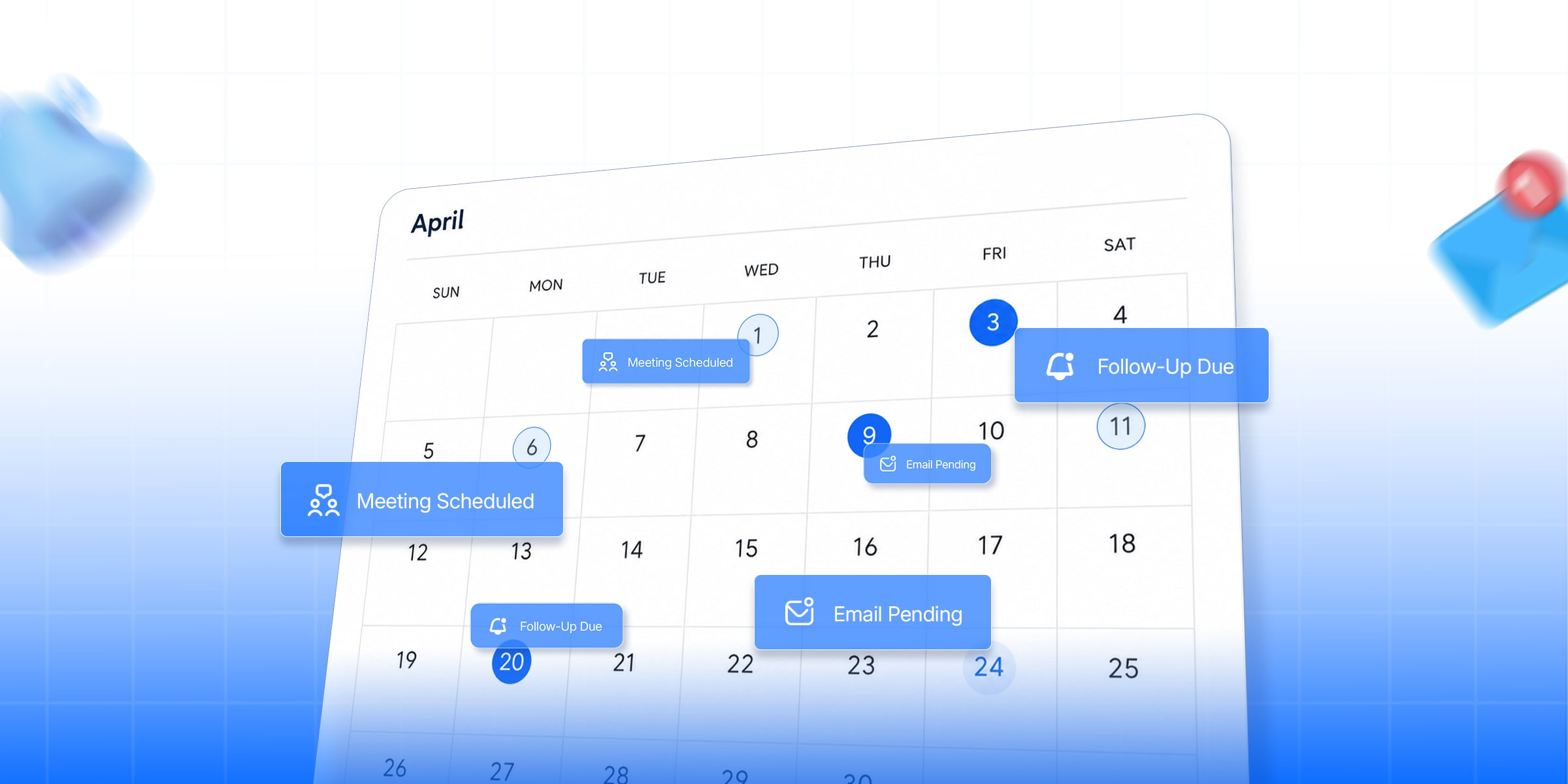
Automating busy season coordination — document requests, reminders, status tracking — cuts non-billable admin hours and is now a top driver of accounting talent retention.
Ask anyone who’s worked a few tax seasons what they’d change if they could choose one thing, and you rarely hear “give me fewer returns.” You hear something closer to “stop making me spend hours chasing down clients.” The good news is that piece is fixable, and a growing number of firms are proving it.
What makes busy season feel harder than it has to
Busy season is demanding by nature. Deadlines are real, the work is technical, and the hours are long, often 60+ a week or more during peak season. That part isn’t going away. But a meaningful chunk of those hours has nothing to do with tax work itself. It’s spent following up on missing documents, updating status by hand, and answering the same process questions repeatedly.
That’s the part worth getting excited about, because it’s the part that’s solvable,really! Firms that have figured out how to this busy work off their staff’s plate aren’t asking people to work harder. They’re giving people back the hours that used to disappear into chasing avoidable friction.
What a more manageable busy season looks like
Picture a busy season where clients submit complete information the first time, because the request was clear and the reminders went out automatically instead of from a person’s inbox. Picture knowing exactly what’s outstanding, what’s stuck, and what’s ready to move forward, at a glance, without a status meeting or a status tracker updated by hand. Picture spending your hours preparing returns instead of managing the process around them.
A more manageable busy season does not mean lower expectations. It means a more connected process.
It looks like:
- clients receiving clear, structured requests the first time
- reminders being sent automatically instead of relying on individual inboxes
- teams having real-time visibility into what is outstanding, what is in progress, and what is ready to move forward
- fewer interruptions to answer routine process questions
- more staff time spent on tax work, technical review, and client guidance
That’s not a hypothetical. Firms that have removed repetitive and mostly manual work from their workflow are seeing real results: associates who complete busy season with energy left over, fewer late nights spent on document follow-up instead of technical review, and teams who report feeling supported rather than buried. Work-life balance, not pay, is now the top reason accounting professionals say they’d stay at or leave a firm, according to the AICPA’s 2025 Trends report, which means firms investing in a better day-to-day experience are also the ones winning the talent war.
Why this matters for retention and recruiting
The accounting profession is having a real moment of reckoning around how the busy season has to work. Firms that have automated the coordination layer, intake, reminders, status tracking, are seeing their staff spend that reclaimed time on higher-value work: technical review, client conversations, advisory questions, the parts of the job people signed up for. It’s a different busy season experience, and it’s becoming a real differentiator for firms trying to attract and keep good people.
For accounting firms, busy season is not just an operations issue. It is also a talent issue.
More professionals are evaluating firms based on whether the day-to-day experience feels sustainable, supported, and well organized. When busy season is built around better workflows, clearer visibility, and less administrative drag, firms create a stronger environment for both retention and recruiting.
What this means if you are in the middle of it
If you’re a tax associate or manager right now, it’s worth knowing this isn’t just a “push through it” problem that depends on your own discipline. The firms getting this right have changed the system around the work, not just asked people to grind harder through the same one. That’s a meaningfully different busy season, and more firms are moving toward it every year.
The firms making the most progress are not simply asking people to push harder through the same process. They are improving the system around the work. That is a meaningful difference. And for more firms each year, it is becoming a competitive advantage.
If you want to see what an organizer and workflow process that removes the manual follow-up looks like, that is exactly what HubSync was built to support: a centralized, real-time workflow experience that gives firms more visibility, more consistency, and more capacity during busy season.
Sources
- Busy season weekly hours data: Eagle Rock CFO, “The Accounting Talent Crisis 2026” (https://www.eaglerockcfo.com/blog/research/accounting-talent-crisis-2026)
- Work-life balance as the top reason accounting professionals stay or leave: Madras Accountancy, “CPA Firm Employee Retention 2026” (https://madrasaccountancy.com/blog-posts/cpa-firm-employee-retention-strategies-2026)